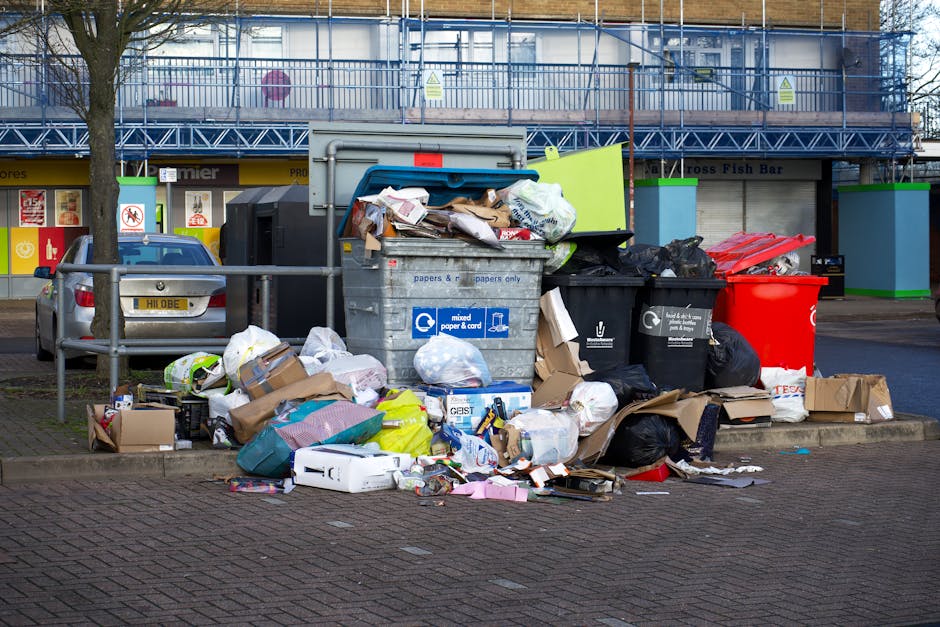
Avoid hidden fees in Battersea waste clearance quotes
Posted on 10/08/2026

Avoid hidden fees in Battersea waste clearance quotes: a practical guide for clear, honest pricing
If you have ever compared rubbish removal prices and felt that something was a bit off, you are not alone. The problem is rarely the headline number; it is the small print, the unclear access charge, the extra wait time, the "unexpected" item surcharge. In other words, Avoid hidden fees in Battersea waste clearance quotes by learning how decent providers price jobs, what should be included, and which questions expose vague quoting fast. Battersea is busy, homes are varied, and access can be awkward in ways that only become obvious on the day. That is where surprises creep in. This guide walks you through the whole thing, plainly and without the sales fluff.
By the end, you will know how to compare quotes properly, what to ask before booking, and how to spot a quote that looks cheap but will probably grow legs later. Let's keep it simple, and fair.
Why hidden fees matter
Hidden fees are not just annoying. They can change the actual cost of a clearance by a large margin, and they usually appear at the worst possible moment: when the van is outside, the team is ready, and you do not want to argue over the phone. That is especially relevant in Battersea, where you may be clearing a flat with narrow stairwells, a maisonette with limited parking, or a larger family home with a mix of bulky and awkward waste.
The risk is simple. A vague quote can look attractive at first glance, but once the provider adds charges for access, labour time, congestion, mattress disposal, fridge removal, or "extra volume", the total shifts. Not always dramatically, but enough to sting. To be fair, some extra charges are legitimate if they were genuinely unknown before arrival. The issue is not extra charges themselves. It is unclear pricing.
Transparent quoting matters for three reasons:
- Budget control: you can plan the job without a nasty end-of-day surprise.
- Fair comparison: you can compare providers on the same basis, not apples and oranges.
- Trust: a clear quote usually reflects a clearer service overall.
For homeowners, landlords, estate agents, builders, and businesses, this is not just about money. It is about timing, access, disposal method, and knowing whether the company is organised enough to handle the job properly. If you are arranging a larger clearance, you may also want to read up on wider service expectations in the services overview and the company's background and approach before you decide.
Practical takeaway: the cheapest quote is rarely the cheapest job if the provider has not clearly explained what is included, what is excluded, and what could change the price.
How pricing and quotes usually work
Most rubbish clearance quotes are based on a mix of volume, weight, labour, access, and item type. Some companies use van load pricing. Others price by category or job complexity. Neither approach is automatically better. What matters is whether the quote tells you how the price was built.
Here is the basic flow. You describe the waste, the location, and any access issues. The provider gives an estimate or fixed price. If they are serious about transparency, they should explain whether the quote is based on photos, a site visit, or a short phone assessment. If the job changes once they arrive, they should explain what might alter the cost before work starts.
A good Battersea waste clearance quote usually makes clear:
- what waste is included
- how much volume is covered
- whether labour is included
- if loading, carrying, or stair work affects the price
- what happens with bulky or specialist items
- any parking or waiting assumptions
- whether disposal fees are included
In practice, the biggest cause of confusion is often access. A ground-floor pickup with easy loading is very different from a third-floor flat with no lift and a tight stairwell. Same waste, different effort. That is normal. What is not normal is a quote that only becomes "more accurate" after the van arrives and the customer has already committed.
If you are booking a one-off household clear-out, a property sale clearance, or a mixed-item collection, it helps to compare your needs against focused service pages such as domestic waste collection in Battersea, house clearance, or furniture removal. Those pages usually make it easier to understand what the service is designed for.
Key benefits and practical advantages
When you know how to avoid hidden fees in Battersea waste clearance quotes, the benefits go well beyond saving a few pounds. You get better decisions, better timing, and fewer awkward phone calls. Honestly, it makes the whole job feel less like a gamble.
- Clearer budgeting: you can set a realistic spend before booking.
- Less stress on the day: the team arrives with the same understanding you had.
- Better service comparison: you can see which provider is being upfront and which one is hand-waving a bit.
- Fewer disputes: everyone knows the terms before the van turns up.
- More suitable service choice: you can match the job to the right type of clearance, such as builders' waste, garden waste, or appliance disposal.
There is also a quality signal here. A company that explains pricing clearly is often more organised in the rest of the job too: arrival times, loading, handling, recycling, and paperwork. That does not mean every transparent quote is perfect, obviously. But it is a good sign.
For projects involving renovation debris, it is worth checking a specialist option like builders waste removal. The same logic applies for trade and office jobs where waste streams can be mixed and access can be time-sensitive. In those cases, commercial waste removal may be the better fit.
Who this is for and when it makes sense
This topic matters to almost anyone arranging a collection, but it is especially useful if you are dealing with one of these situations:
- moving out of a Battersea flat and trying to keep costs under control
- clearing a property after a sale, rental changeover, or refurbishment
- removing a few bulky items and not wanting a full-load charge by accident
- disposing of old white goods, mattresses, or furniture
- booking a same-day collection and needing price clarity before committing
- arranging clearance for an office, shop, or trade site where timings matter
It also makes sense if you are the kind of person who likes to know the deal upfront. You know, before the truck arrives, before the hallway fills with boxes, before someone says, "Oh, that part wasn't included."
If you live near busier parts of Battersea or around developments with trickier access, it is wise to think about parking, stair carries, and the number of collection points inside the property. A quick reference to the company's insurance and safety information can also help if the job involves delicate access or valuable common areas.
Step-by-step guidance
If you want to avoid hidden fees in Battersea waste clearance quotes, the trick is to make the quote process more specific than the provider expects. That sounds slightly bossy, but it works.
- List exactly what needs removing. Include bulky items, bags, broken furniture, appliances, garden waste, and builder's rubble separately.
- Note access conditions. Mention stairs, lift access, parking restrictions, long carries, gated entries, or timed building access.
- Send photos from a few angles. One wide photo is rarely enough. A couple of close-ups help the estimator understand the real job.
- Ask what the quote includes. Labour, loading, disposal, congestion assumptions, and VAT or other taxes should all be clear.
- Ask what could change the price. This is the crucial one. If the answer is vague, be careful.
- Confirm the disposal route for specialist items. Fridges, freezers, mattresses, and some electricals often need different handling.
- Get the final price confirmed before work begins. Do not leave it floating in "approximate" territory once the team is on site.
A helpful habit is to copy the same description to every provider so the quotes are comparable. If one company says "all-inclusive" and another says "subject to access," you are not comparing the same thing. It sounds obvious, but people overlook it all the time when they are in a rush.
For appliance-heavy clearances, check the relevant service page such as white goods and appliance disposal. For outdoor clean-ups, garden waste removal can help you separate green waste from mixed rubbish.
Expert tips for better results
Here is where the small details pay off. Most hidden-fee problems are not dramatic fraud; they are the result of weak communication, rushed quoting, or assumptions made on both sides. A few practical habits reduce that risk a lot.
- Use photos and not just a description. "A few bits of furniture" can mean very different things to different people.
- Ask for a written quote or message confirmation. Even a short email or text summary is better than memory.
- Check whether the estimate is fixed or variable. Fixed is safer if the job scope is clear.
- Separate special items before quoting. A mattress, fridge, sofa, and mixed household rubbish may all be priced differently.
- Be honest about access. If the route from front door to van is awkward, say so. It avoids drama later.
- Book with enough time for a proper estimate. Same-day jobs can still be transparent, but they need sharper communication.
If you are buying or selling in the area and the waste clearance is part of a wider property move, you may also find it useful to browse topics like Battersea real estate transactions or navigating the local property market wisely. Different context, yes, but it helps when you are timing a clearance around a sale or handover.
One more thing: if a quote seems oddly cheap, ask yourself why. Is the provider leaving out labour? Disposal? Access? Parking? Sometimes the answer is just "we'll see on the day," which is not much of a plan, really.

Common mistakes to avoid
Most hidden-fee headaches come from a handful of repeated mistakes. The good news is that once you know them, they are easy to dodge.
- Accepting a price without item detail. A vague "house clearance" quote may not cover what you actually have.
- Forgetting about access. A ground-floor item removal and a top-floor carry are not the same job.
- Assuming special items are included. Mattresses, fridges, and other bulky items may be handled differently.
- Not checking if the price includes labour. Some quotes cover collection only, not loading.
- Comparing by headline price alone. The lowest number is often the most misleading.
- Leaving timing until the last minute. Rush bookings can lead to rushed pricing conversations.
A classic one is failing to mention that an old sofa has to come down two flights of stairs and through a narrow hallway. You can almost hear the price changing in the background. That is avoidable. Another common slip is assuming that all waste is treated the same. It is not.
For anyone planning a larger clear-out, the provider's terms and conditions and pricing and quotes guidance are worth reading before you book. The wording may not be glamorous, but it is where the real answer usually hides.
Tools, resources and recommendations
You do not need fancy software to avoid hidden fees. A simple, organised approach works better. That said, a few practical tools make the process much easier.
- Phone camera: take clear photos of everything to be removed.
- Notes app or spreadsheet: list items, access issues, and provider responses side by side.
- Measuring tape: useful for bulky furniture and awkward appliances.
- Message template: reuse a short description so every provider receives the same brief.
- Check-in list: confirm the final total, arrival time, and any extras before work starts.
Good recommendations also include choosing the right service for the job. That sounds basic, but it prevents pricing confusion. A domestic clear-out should not be priced like a commercial strip-out, and a garden waste pickup should not be treated like mixed builders' debris. Matching the service properly matters.
If you want to understand how a provider thinks about the work beyond just price, have a look at recycling and sustainability and waste carrier licence and compliance. Those pages help you judge whether the company is serious about lawful, responsible disposal rather than just moving junk out of sight.
Law, compliance, standards, or best practice
Whenever you are paying for waste removal in the UK, compliance should be part of the conversation. You do not need to become a legal expert, but you should know the basics well enough to protect yourself.
At a practical level, the provider should be able to explain how waste is collected, handled, transported, and disposed of in line with accepted UK practice. If they are vague about licensing, insurance, or disposal routes, that is a warning sign. Good operators tend to be happy to explain their process, because it builds confidence and reduces disputes later.
Best practice also means:
- clear written pricing
- accurate description of the waste
- honest discussion of access and labour
- proper handling of appliances and specialist items
- responsible sorting and disposal where possible
If a provider cannot explain what happens to your waste after collection, ask more questions. It is reasonable. You are paying for a service, not a shrug. For broader trust signals, the company's approach to payment and security is also worth checking, especially if you are booking remotely or paying upfront.
In Battersea, as in the rest of London, convenience is important, but it should never replace clarity. A legitimate quote should feel tidy, not slippery.
Options, methods, or comparison table
Different quoting methods suit different jobs. Here is a simple comparison to help you choose the least risky option for your situation.
| Quote method | How it works | Best for | Hidden fee risk |
|---|---|---|---|
| Photo-based quote | You send images and a description before booking | Most household and small commercial jobs | Low to medium if access is described well |
| Phone estimate | You discuss waste type and volume verbally | Simple collections and quick comparisons | Medium, because details are easier to miss |
| Site visit quote | The provider inspects the job in person | Large clearances, complex access, mixed waste | Low if the scope is confirmed in writing |
| Approximate on-the-day pricing | Price is finalised when the team arrives | Only when the job is genuinely uncertain | Higher, unless tightly managed |
The safest option is usually the one with the clearest scope. If the job is small and straightforward, photos may be enough. If it is a full property clearance or a business premises job, a more detailed assessment is worth the time. You save hassle later, and frankly, you save the back-and-forth.
Case study or real-world example
Here is a simple real-world-style example, the sort that comes up all the time. A Battersea tenant is moving out of a two-bedroom flat. The list includes a sofa, a bed frame, a mattress, several bags of mixed household waste, and an old washing machine. There are two flights of stairs, a narrow landing, and limited parking on the street. Nothing extreme, but enough to affect the job.
Provider A gives a very low headline quote after a brief phone call. No mention of stairs, no mention of the appliance, no mention of loading time. Provider B asks for photos, confirms access, and explains that the washing machine is treated as a separate item and that stair carry time is included. The second quote is higher at first glance. But it is also more believable.
On the day, Provider A could easily have added a charge for the appliance and the stairs. Maybe they would not. But why gamble? In jobs like this, clarity tends to save money in the end, because it stops the invoice from becoming a negotiation.
That is the point, really. You are not trying to beat the system. You are trying to make sure the system is honest from the start.
Practical checklist
Use this before you accept any Battersea waste clearance quote. It is short for a reason.
- Have I listed every item that needs removing?
- Have I mentioned stairs, lifts, parking, or long carrying distances?
- Have I sent clear photos from more than one angle?
- Do I know whether the quote includes labour and loading?
- Do I know whether disposal fees are included?
- Have I checked how specialist items are priced?
- Is the quote fixed, or could it change later?
- Have I read the terms and pricing notes?
- Have I asked what could trigger extra charges?
- Have I got the final total confirmed before the team starts?
If you can tick all of those off, you are in a much safer position. Not perfect, because life never is, but safer.
Get a free quote today and see how much you can save.
Conclusion
Avoiding hidden fees in Battersea waste clearance quotes is mostly about slowing the process down just enough to get the details right. Clear item lists, honest access notes, written confirmation, and a proper read of the quote terms will save you more trouble than any haggling ever will. The good providers welcome that level of clarity. The less careful ones usually do not.
If you are planning a domestic tidy-up, a house move, a refurbishment, or a business clearance, the smartest move is to compare quotes on equal terms and choose the provider that explains things plainly. That is where real value lives. Not in the cheapest-looking number, but in the quote that still makes sense after the van has left.
And if you are still weighing up your options, that is fine. Take your time, ask one more question, and keep the job straightforward. A good clearance should feel like relief, not a small mystery with a receipt attached.