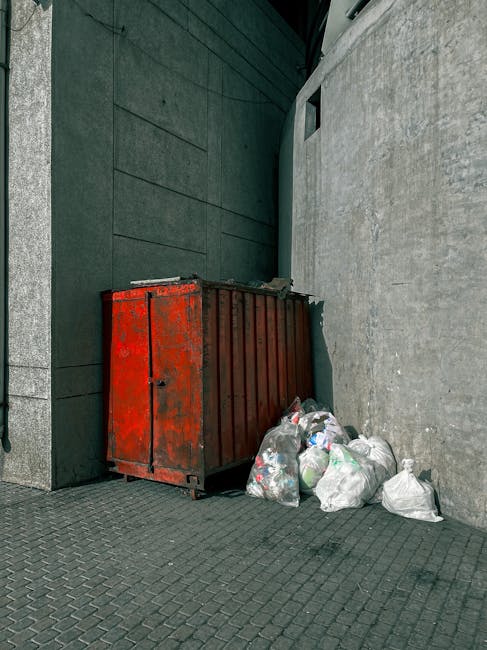
Wandsworth Council rules for Battersea rubbish disposal
Posted on 28/08/2026
Wandsworth Council rules for Battersea rubbish disposal: a practical local guide
If you live in Battersea, manage a property here, or are clearing a flat after a move, the rules around rubbish can feel a bit more complicated than they ought to be. The bins look simple enough on a Monday morning, but once you add bulky items, garden waste, builders' debris, or an awkward sofa that won't fit through the stairwell, the picture changes quickly. This guide explains the Wandsworth Council rules for Battersea rubbish disposal in plain English, so you can stay tidy, avoid fines, and make better decisions about collection, recycling, and responsible clearance.
Truth be told, most problems come from small misunderstandings: leaving waste out too early, mixing the wrong materials, or assuming that anything placed on the pavement will disappear safely overnight. It won't. And if you are trying to handle a big clear-out, you will want a clear plan before the pile starts growing by the front door.
Why Wandsworth Council rules for Battersea rubbish disposal Matters
The rules matter because Battersea sits inside a busy urban environment where space is tight, waste moves fast, and streets need to stay safe and accessible. When rubbish is left out incorrectly, it can block pavements, attract pests, and create hazards for neighbours, delivery drivers, and pedestrians. That is before you even get into the issue of missed collections or penalties for repeated mistakes.
There is also a practical side. If you know what belongs in your household bins, what needs separate handling, and what should be passed to a licensed waste carrier, your whole clean-up becomes easier. You avoid the classic last-minute scramble where a half-finished flat clearance turns into bags in the hallway, an awkward call to a landlord, and a rather miserable Sunday afternoon.
For Battersea residents, this is especially relevant during:
- house moves and tenancy ends
- refurbishment or decorating projects
- garden cut-backs and seasonal clear-outs
- furniture replacement
- business waste management in mixed-use buildings
Getting the basics right helps you protect your property, stay neighbourly, and keep disposal costs under control. It also supports better recycling, which is where the environmental side really starts to count. If you want broader context on local waste handling and service options, the services overview is a useful starting point, and the company's recycling and sustainability approach explains the responsible side of the process.
How Wandsworth Council rules for Battersea rubbish disposal Works
At a practical level, rubbish disposal in Battersea usually falls into a few separate buckets: everyday household waste, recycling, food waste where provided, garden waste, bulky items, and specialist waste such as electricals or construction debris. The key is not simply getting rid of things, but putting each type of waste into the right route.
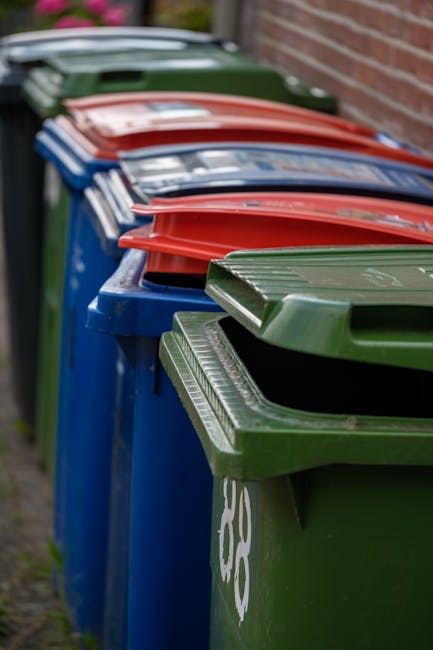
Most households will rely on the council's collection system for routine waste. That means following the correct bin arrangement, using approved containers, and presenting waste at the right time on the correct day. If you put out the wrong materials, or place waste on the street without the proper arrangement, you can quickly create a problem that is avoidable. And honestly, nobody wants to be the person whose overflowing black bags become a seagull buffet at dawn.
For larger items, the rules become more specific. Mattresses, wardrobes, broken appliances, bagged renovation waste, and garden trimmings may not belong in the standard refuse stream. They often need separate collection, special handling, or a private removal solution. Battersea homes, particularly flats and converted buildings, can also have access issues: narrow staircases, limited kerb space, controlled parking, or no easy place to store bulky rubbish while waiting for collection.
If you are considering a professional removal service, it is sensible to review the business's handling standards, insurance, and compliance information before booking. That extra five minutes can save a lot of worry later. For example, the page on insurance and safety shows the sort of protection and working standards you should expect from a proper operator, while waste carrier licence and compliance is helpful if you want reassurance that waste is being moved legally.
Key Benefits and Practical Advantages
Following the rules is not just about avoiding trouble. Done properly, it saves time, keeps your home calmer, and often reduces the overall cost of clearing waste. Here are the main benefits in real terms.
- Cleaner kerbside presentation: rubbish is less likely to be scattered, damaged, or rejected for collection.
- Lower contamination risk: recycling loads stay cleaner when materials are separated correctly.
- Less chance of complaints: neighbours are less likely to object to bad smells, blocked access, or unsightly piles.
- Better budgeting: when you know what needs council collection and what needs a specialist service, quotes become more accurate.
- Less stress at move-out time: clear plans stop waste from becoming a last-minute headache.
There is also a subtle but important benefit: better decision-making. Once you understand the difference between normal household waste and items that need special handling, you stop guessing. That matters, because guesswork is usually how people end up with extra trips, extra charges, or badly sorted bags sitting around for days.
If you are comparing service options, the page on pricing and quotes gives a sense of how professional clearance is typically approached, and avoiding hidden fees in Battersea waste clearance quotes is worth reading before you approve any job, especially for larger removals.
Who This Is For and When It Makes Sense
This topic is relevant to far more people than you might first think. If you live in Battersea, manage property here, rent a flat, run a shop, or oversee a refurbishment, the rules affect your day-to-day planning. The same goes if you are clearing out a relative's home or dealing with the aftermath of a renovation that somehow produced more rubble than expected. Happens all the time.
It makes sense to pay close attention when you are:
- moving home and need a quick end-of-tenancy clearance
- disposing of broken furniture or white goods
- removing garden waste after pruning, mowing, or landscaping
- dealing with landlord, tenant, or commercial waste responsibilities
- managing builders' waste from a kitchen, bathroom, or loft project
Residents of Battersea often live with practical constraints: shared entrances, timed access, basement storage, and limited bin space. That is why a one-size-fits-all approach rarely works. A couple in a top-floor flat near a busy road will have very different needs from someone clearing a terraced house with a small garden. The disposal plan has to match the setting.
If your situation is more complex, a tailored approach is usually the easiest path. Services such as domestic waste collection in Battersea, house clearance, or furniture removal may be more practical than trying to force everything into standard household bins.
Step-by-Step Guidance
If you want a straightforward way to stay on the right side of the rules, use this process. It is simple, but it works.
- Sort the waste by type. Separate general rubbish, recycling, food waste, garden waste, electrical items, and bulky objects.
- Check what can go in the regular bins. If something is contaminated, oversized, or hazardous, do not assume it belongs there.
- Identify bulky or specialist items early. Sofas, wardrobes, fridges, mattresses, and construction debris often need a different route.
- Measure access. Note stairs, lift access, parking limits, and the distance from the property to the road.
- Decide whether council collection or private clearance is better. Small, routine loads may suit council services; larger or time-sensitive jobs often do not.
- Get a clear quote if using a removal company. Make sure the quote reflects labour, loading, disposal, and any access issues.
- Set a collection time that avoids disruption. Early morning or tight time windows can matter in Battersea's busier streets.
- Keep paperwork or confirmation details. This is especially useful for landlords, agents, and commercial clients.
A small but useful habit is to keep a "waste staging" area inside the property for 24 to 48 hours before collection. It stops mixed items from spreading through the home. Just don't leave them there too long, obviously. That becomes its own problem.
For awkward loads, especially where safety or lifting is involved, it helps to use a service with clear operating standards. The pages on builders waste removal and white goods and appliance disposal are relevant if your clearance includes heavy or specialist items.
Expert Tips for Better Results
Most rubbish problems get easier once you stop treating them as a single task. Divide the job and the whole thing becomes more manageable. A few practical tips make a big difference.
- Book early before weekends and month-end. These are the times when collections and removals tend to get busy.
- Keep recyclable materials clean and separate. A greasy pizza box can spoil an otherwise decent recycling batch.
- Photograph bulky items before booking. It helps remove guesswork and avoids surprises on the day.
- Ask about access in advance. Tight stairwells, permit zones, and basement flats are common in Battersea.
- Think about the final destination of the waste. Reuse and recycling are often preferable to simple disposal when suitable.
One thing people forget: disposal decisions affect the whole property, not just the bin store. If you are preparing a flat for sale or letting, orderly removal can make the space feel brighter and larger. Little details matter. A cleared hallway, a fresh smell, no leftover cardboard leaning against the wall - it changes the mood straight away.
If you are interested in making disposal more efficient and less wasteful, the company's recycling and sustainability page is a good companion read. For more context around good local practice, there is also a helpful article on sustainable gardening inputs, which sits neatly alongside responsible garden waste management.
Common Mistakes to Avoid
The biggest mistakes are usually simple ones. Not dramatic, just inconvenient. And expensive enough to be annoying.
- Leaving waste out too early: this can create obstructions and invite complaints.
- Mixing recyclable and non-recyclable items: contamination can cause entire loads to be rejected.
- Assuming all bulky waste is the same: a sofa, fridge, and broken mirror are not handled the same way.
- Ignoring access problems: if the crew cannot reach the load efficiently, the job takes longer and may cost more.
- Using unlicensed operators: this creates risk for you as well as the waste handler.
- Forgetting about chargeable extras: stairs, heavy lifting, or unusual disposal needs can affect the final price.
A quieter mistake is underestimating how quickly waste builds up. You start with one chair, then a broken shelf, then a bag of odd bits from the loft, and suddenly the room has become a storage unit. It happens. The trick is to act before "just for now" turns into "why is this still here?"
When in doubt, use a reputable clearance provider with transparent terms. The pages on terms and conditions and payment and security are helpful for understanding how a proper service sets expectations and handles transactions safely.
Tools, Resources and Recommendations
You do not need a special toolkit to manage rubbish correctly, but a few practical resources will save time and reduce mistakes.
- Labelled bags or boxes: useful for sorting waste before collection day.
- Basic tape measure: handy for checking bulky items, stair widths, and access points.
- Phone camera: useful for documenting item condition and access constraints.
- Calendar reminders: helpful for bin days, booking windows, and tenancy deadlines.
- Property notes: especially useful for landlords, agents, and caretakers managing repeat collections.
For readers who want support beyond household waste, service pages can help you compare options. For example, garden waste removal is relevant after pruning or landscaping, while commercial waste removal is more suitable for businesses, offices, and managed premises.
If you are checking service quality, it is also worth looking at the provider's broader business information, such as about us and its licence and compliance details. That sounds dry, fair enough, but it can tell you a lot about how seriously a company takes responsibility.
Law, Compliance, Standards, or Best Practice
Waste handling in the UK is shaped by legal duties, local collection rules, and general environmental best practice. For everyday residents, the practical message is simple: dispose of rubbish responsibly, separate materials where required, and only use carriers who can lawfully transport waste. That is the safest way to think about it.
As a rule of thumb, if waste leaves your property, you should know who is taking it and whether they are operating properly. That matters because improper disposal can create knock-on issues for the environment and, in some cases, for you as the producer of the waste. It is sensible to keep records when using a third-party clearance service, especially for landlords, agents, builders, and businesses.
Best practice also means thinking beyond the minimum. Reuse where you can. Recycle where possible. Keep hazardous or specialist waste separate. And if you are handling renovations, remember that builders' waste is not ordinary household rubbish. It needs a different approach, which is why services like builders waste removal in Battersea can be more appropriate than standard collection.
One practical point that is easy to overlook: some waste should not be left exposed in a shared area overnight, especially in blocks with high foot traffic. That is not just about tidiness. It is also about safety, trip hazards, and maintaining access for everyone in the building.
Options, Methods, or Comparison Table
Choosing between council collection, self-management, and a private clearance service depends on what you are disposing of, how quickly it needs to go, and how much handling is involved. Here is a simple comparison.
| Method | Best for | Strengths | Limitations |
|---|---|---|---|
| Council routine collection | Everyday household waste and regular recycling | Simple, familiar, built into local waste routines | Not suitable for everything; timing and sorting matter |
| Self-managed disposal | Small loads you can safely sort and transport | Flexible and direct | Takes time, space, transport, and correct disposal knowledge |
| Private waste clearance | Bulky, awkward, urgent, or mixed waste | Fast, convenient, useful for access-heavy properties | Costs vary; quality depends on the operator |
For many Battersea residents, the best route is a mix: use routine collection for standard household waste, then bring in a specialist service when the job becomes too bulky or too time-sensitive. That is often the least stressful option, especially in flats and shared buildings.
If timing is tight, you may find the discussion in same-day rubbish removal in Battersea useful. It gives a sense of when rapid clearance is worth considering and when a little planning may be the better move.
Case Study or Real-World Example
Here is a realistic Battersea scenario. A couple is moving out of a two-bedroom flat near a busy road. They have a dismantled bed frame, a damaged armchair, two small shelving units, cardboard, and a few bags of mixed items from the storage cupboard. They first try to stack everything in the hallway, which immediately makes the flat feel smaller and more stressful. Classic move, really.
Once they separate the materials, the job becomes clearer. Cardboard and clean packaging are set aside for recycling. The broken furniture is grouped together. The mixed household bags are checked so that batteries, paint tins, and electrical bits are not left hidden inside. They then arrange removal for the bulky items and keep the remaining day-to-day waste in the normal bin stream.
The practical result is simple: less clutter, fewer mistakes, and no panic on moving day. The building remains tidy, neighbours are not inconvenienced, and the property can be handed over in better condition. That sort of outcome is exactly why local waste rules are worth understanding before the clear-out starts, not after.
For a deeper read on how local life and property pressures shape these decisions, the articles on living in Battersea and rubbish clearance near Battersea Power Station are both useful and nicely grounded in the local area.
Practical Checklist
Use this checklist before you put anything out or book a clearance job.
- Have I separated general waste, recycling, and specialist items?
- Do I know which items are too large or unsuitable for standard bins?
- Have I checked access, parking, and lift or stair constraints?
- Do I need council collection, private removal, or both?
- Have I removed hazardous or sensitive materials from the load?
- Is the quote clear on labour, loading, disposal, and access issues?
- Do I need proof of waste handling for a landlord, tenant file, or business record?
- Have I chosen a provider with proper compliance information?
- Am I keeping the property safe and walkways clear while the waste is staged?
If you can tick most of those boxes, you are usually in a very good place. No drama. No pile of mystery bags. Just a clean, workable plan.
Get a free quote today and see how much you can save.
Conclusion
Wandsworth Council rules for Battersea rubbish disposal are easiest to manage when you treat them as part of normal home and property care rather than a one-off chore. Sort early, keep the right items separate, respect collection timing, and use specialist help when the job is too big, too heavy, or too messy for standard bins. That approach keeps your property safer and makes life noticeably easier.
If you are planning a move, clearing a flat, or dealing with bulky items after work on the home, a little structure goes a long way. Battersea is a busy place, and rubbish left to chance tends to become someone else's inconvenience very quickly. Better to handle it properly, once, and move on with your day.
And if you are the kind of person who likes a clear plan before starting the job, that is absolutely the right instinct. It saves effort, avoids the usual faff, and leaves the place looking far better at the end. Which, to be fair, is the whole point.